


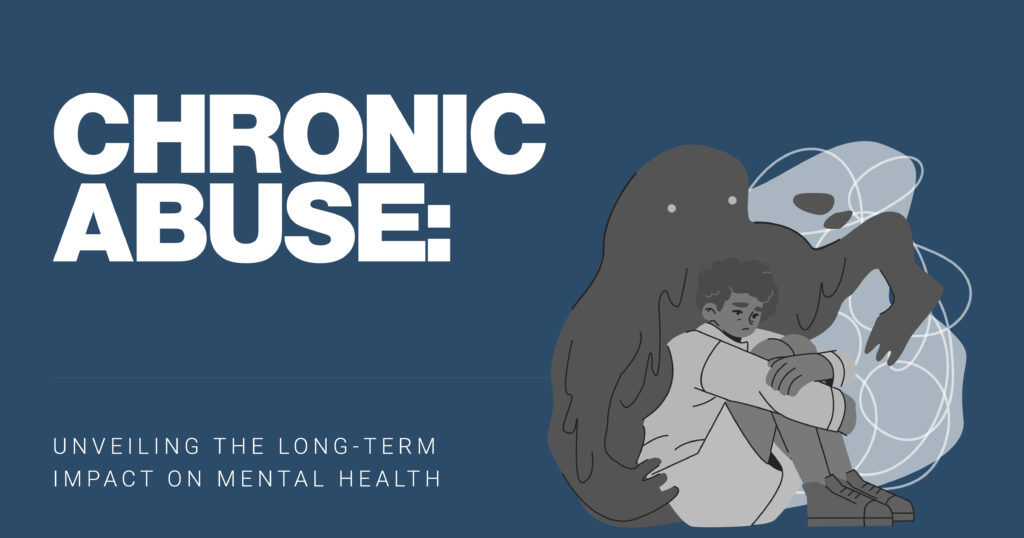
Chronic abuse has a way of leaving marks that don’t always show on the surface. It goes beyond just having one bad moment. It occurs when situations keep happening over and over. Over time, this starts changing the way you think, feel, and move through life.
In this article, we’ll break it down. We’ll discuss what chronic abuse actually is. How it affects your mental health over time, and what healing can look like. No fluff, just what you need to know to help you get better.
Defining Chronic Abuse
So, what is chronic abuse? Chronic abuse is harm that drags on. This can be emotional, physical, or mental. This can look like manipulation, violence, neglect, or even substance-related damage that just doesn’t stop.
What makes it different from other trauma? Well, it’s the duration. This can go on for months, years, and sometimes even longer. And when you’re stuck in that kind of stress for so long, it starts to rewire everything. This can be your nervous system to your relationships, and how you react to things.
Types of Chronic Abuse
Child Abuse
When we talk about chronic abuse, it often starts in childhood. According to the National Child Traumatic Stress Network, ongoing abuse can seriously affect brain development and emotional health. Children’s brains are still developing. So, the long-term effects hit even harder. It can alter how they handle emotions. Or, how they learn, and relate to others for the rest of their lives.
Child abuse can look like:
- Physical abuse
- Emotional abuse
- Sexual abuse
- Neglect
The worst part about it is that a lot of kids grow up thinking this is just normal life. So later on, the psychological impact shows up in ways they don’t always connect to their past.

Substance Abuse
Substance abuse goes beyond getting high or drunk. It’s often someone trying to cope. Especially with things they don’t know how to deal with. What starts as a way to escape can turn into chronic abuse.
The cycle of using, crashing, and craving takes a serious toll on your body. Your mind and your relationships are affected.
Psychological and Physical Impact of Chronic Abuse
Let’s talk about what chronic abuse does to our bodies and minds. Stress and the body don’t go well together. So when it gets put through abuse (whatever kind) again and again, our fight-or-flight response gets stuck in the “on” position, leading to a cascade of problems.
| Body System | Short-term Effects | Long-term Consequences |
| Nervous System | Hypervigilance, sleep issues, anxiety | PTSD, depression, and chronic pain syndromes |
| Immune System | Frequent infections, slow healing | Autoimmune disorders, chronic inflammation |
| Cardiovascular | Elevated heart rate, blood pressure spikes | Heart disease, stroke risk, and hypertension |
| Digestive | Nausea, appetite changes, stomach pain | IBS, ulcers, and eating disorders |
| Endocrine | Stress hormone imbalances | Diabetes risk, thyroid issues, and adrenal fatigue |
The psychological impact of chronic abuse is just as bad. Long-term stress and trauma actually change how the brain works. The parts that handle memory, emotions, and decision-making can get thrown off, while the fear center goes into overdrive, like it’s always on high alert.
Mental Health Consequences
The mental health side of chronic abuse is like a chain reaction. One thing leads to another, and it can feel like there’s no end in sight. Depression and anxiety are common, but for many survivors, that’s just the start.
Some effects we often see include:
- Depression
- Anxiety disorders
- PTSD
- Dissociative disorders
- Personality disorders
- Suicidal thoughts
These issues don’t always disappear when the abuse ends. The brain gets so used to living in survival mode that trusting peace or even feeling safe can take time.
Behavioral Issues Stemming From Chronic Abuse
A lot of behavioral issues linked to chronic abuse come from trying to survive. These behaviors aren’t flaws; they’re survival strategies that made sense in unsafe situations, even if they don’t work so well now. Here are a few of them and the problems they pose:
| Behavioral Pattern | Survival Function | Potential Problems |
| Hypervigilance | Scanning for threats to stay safe | Exhaustion, paranoia, difficulty relaxing |
| People-pleasing | Avoiding conflict and punishment | Loss of personal identity, resentment |
| Emotional numbing | Protecting against overwhelming pain | Difficulty with intimacy, feeling disconnected |
| Control issues | Creating predictability and safety | Relationship conflicts, rigidity |
| Avoidance | Staying away from triggering situations | Isolation, missed opportunities |
Addiction and Its Role in Chronic Abuse
Addiction and chronic abuse are deeply connected; they feed off each other in a tough cycle. A lot of people turn to substance abuse to numb the pain, escape reality, or just feel in control for a moment. But what starts as a way to cope can turn into its own form of long-term harm.
Here’s how the cycle plays out:
- Abuse can lead to addiction, and trauma increases the risk of substance use.
- Addiction can allow more abuse, it clouds judgment, and leaves people vulnerable.
- Addiction becomes abuse, and the damage starts hitting your mind, body, and relationships.
It’s all about survival at first. But underneath the instant getaway from the problems that substances give, there are psychological, physical, and behavioral problems simmering.
The good news? There are real treatment options that can break the cycle and support your mental health while you heal. More on that in a minute.
Long-Term Physical Harm Associated with Chronic Abuse
The body keeps score, as they say, and chronic abuse leaves its mark in ways that can last a lifetime. Beyond the immediate injuries, there are long-term health consequences that can affect every system in the body.
| Health Condition | Connection to Chronic Abuse | Long-term Impact |
| Chronic Pain | Muscle tension, inflammation, nerve damage | Fibromyalgia, arthritis, headaches |
| Cardiovascular Disease | Chronic stress, poor self-care | Heart attacks, strokes, and high blood pressure |
| Autoimmune Disorders | Stress-induced immune dysfunction | Lupus, rheumatoid arthritis, MS |
| Digestive Issues | Stress response affecting gut health | IBS, ulcers, and eating disorders |
| Respiratory Problems | Anxiety, panic attacks, smoking | Asthma, COPD, and breathing difficulties |
Physical damage from chronic abuse isn’t always something you can see. It runs deeper. The mind affects the body a lot more than people think. And chronic abuse deals a lot of damage to the mind.
Approaches to Addressing and Treating Chronic Abuse
Now to the solution. As deep as chronic abuse runs, healing from it is possible. You probably read that with a ‘yeah, right’ expression on your face. But we want you to know that others have gone through the same thing you’re going through or may have gone through (maybe even worse), and they’ve been able to find healing.
And we’re not saying having to pretend like nothing ever happened. It’s more like accepting what has happened and finding the strength to move on from it. Learning how to carry the weight of it without it crushing you. There are real and proven ways to feel better. You can move forward and live life on your terms. Here are a few of them:
- Trauma-informed therapy: Gets how trauma impacts the whole you, not just your thoughts
- EMDR: Helps you process heavy memories without reliving them
- CBT: Sorts through the mental clutter and unhelpful thoughts
- DBT: Teaches how to manage emotions and reactions in real time
- Somatic therapy: Helps your body release what your mind can’t
Medical Support Options
- Meds for depression, anxiety, or PTSD
- Help managing chronic pain from physical trauma
- Support for substance abuse and addiction recovery
- Medical care for long-term effects of abuse
Holistic and Lifestyle
- Mindfulness, breathwork, or simple meditation
- Art, music, journaling, anything that lets you express
- Peer support groups (helps to know there are others like you)
- Basic life upgrades, better sleep, food, and movement
- Faith or spiritual support
There’s no single “right way” to heal. Some people need therapy, others need connection, and some just need quiet space to feel again. Most people need a little of everything, and that’s totally okay.
Go at your own pace. Give yourself room. And know that patience, compassion, and the right support make all the difference.
You’ve got this.
Learn More About Chronic Abuse at Pacific Coast Mental Health
If any of this hit close to home, whether it’s about chronic abuse, addiction, or the long-term effects on your mental health, we’re here to help you figure it out.
Our team at Pacific Coast Mental Health gets it, and we’re here to help with real support, solid treatment options, and a whole lot of compassion without any form of judgment or pressure.
Reach out to Pacific Coast Mental Health to get started.
FAQs
What are the long-term psychological impacts of chronic substance abuse?
It can mess with your head. This can be in the form of brain fog and mood swings. Basically, your brain gets stuck in survival mode.
How does chronic abuse contribute to addiction, and what are the implications for mental health?
People use substances to cope, and before you know it, the escape becomes a trap. It piles on anxiety, depression and makes healing tougher.
What physical harm can result from prolonged substance abuse, and how does it affect overall health?
It can be rough on your body. Your heart, liver, and brain. All your end organs take a hit. Over time, you just don’t feel like yourself.
What behavioral issues are commonly seen in individuals experiencing chronic abuse?
They might get super alert, completely numb, or overly nice to avoid conflict. It’s the brain’s way of trying to keep them safe, even when the threat’s gone.
What treatment options are available for addressing the mental health consequences of chronic abuse?
There are many treatment options. Some options include therapy, medication, and techniques like mindfulness or group support. It’s not a one-size-fits-all thing.