Skip to content




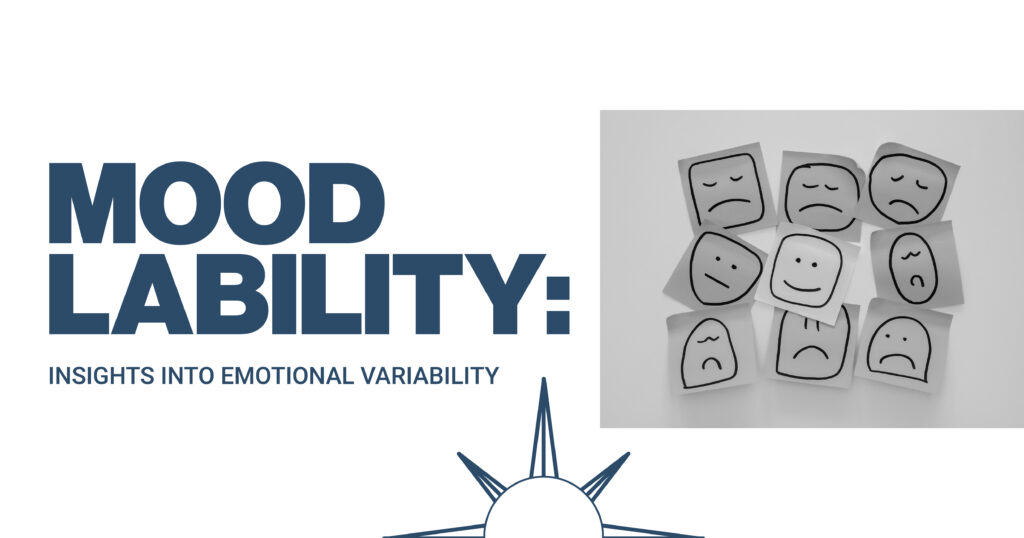
It’s quite normal to have your mood change all of a sudden, either because of bad news or something else in the moment. However, this change can become a big issue. Especially when you start noticing mood changes without warning. Have they become so intense that you hurt others? For some reason, when you get into a mood, it is impossible to calm down.
This experience is called mood lability; it’s more than just feeling a little moody. This blog will focus on these emotional vulnerabilities and reveal why they occur, how they occur, and when they may need professional analysis.
Defining Mood Lability and Emotional Instability
What is Mood Lability? In simple words, it’s a sudden change in mood. This change seems disproportionate to the event or situation that inspired the emotional switch. For example, you could be at ease and then suddenly slip into feeling an unexpected rage or distress.
Even the most inconsequential triggers can leave you reacting emotionally in an instant. The worst part is that your volatility can create confusion and disrupt relationships as people fear upsetting you for no reason.
Common Causes of Emotional Variability
Identifying these common causes helps make sense of Mood Lability, as well as find the appropriate support needed. Some common causes include:
| Cause Category | Example | Brief Description |
| Psychological | High stress levels, anxiety disorders, depression, trauma history, personality disorders | Mental health conditions and significant psychological strain directly impact emotional control. |
| Physical Health | Hormone shifts (e.g., PMS, menopause), thyroid problems, chronic pain, neurological conditions | Bodily changes, illnesses, or chronic discomfort disrupt normal emotional balance. |
| Situational | Major life changes (loss, job shift), sleep deprivation, substance use/withdrawal, poor nutrition | External pressures and lifestyle factors heavily tax emotional resources. |
| Neurological | Brain chemistry differences, certain medications’ side effects, brain injury effects | Physical aspects of brain function influence mood stability directly. |
If you find yourself in these emotional extremes and notice they are affecting your life more than you can handle, consider reaching out to a professional. They will show you the best approach to recovering your control
Recognizing the Signs of Affective Dysregulation
Affective dysregulation is basically when you find it difficult to regulate your own emotions. This leads to them mostly being intense, causing harm to not just people around you, but your happiness and mental well-being.
To know if you have this condition, you must watch out for some common signs:
- Overreacting strongly to small things like rage or panic
- Moods changing fast from happy to angry for no clear reason
- Emotions feel too intense and last too long
- Acting without thinking, like yelling or reckless choices
- Physical effects like shaking, stomachaches, or exhaustion
- Daily life is getting harder due to these emotional struggles
Acknowledging this is a very relevant first step in starting the process of seeking help.
The Connection Between Mood Lability and Mood Disorders
Understanding the connection between mood lability and mood disorders can help understand the experience and find professional support.
Here’s how they connect:
| Mood Disorder | How Mood Lability Typically Manifests |
| Bipolar Disorder | Extreme, often rapid cycling between manic euphoria/irritability and deep depressive lows. Shifts can be dramatic and prolonged. |
| Major Depressive Disorder (MDD) | Intense, frequent sadness or irritability spikes within the overall depressed state; heightened emotional reactivity to minor triggers. |
| Cyclothymic Disorder | Frequent, noticeable swings between hypomanic symptoms and depressive symptoms, less severe than bipolar but persistent. |
| Borderline Personality Disorder (BPD) | Very rapid, intense mood shifts (anger, anxiety, sadness) often triggered by interpersonal events or perceived abandonment, lasting hours. |
If you continue to experience intense and rapid shifts in emotions, you need to connect with a professional. This expert will evaluate the situation and provide the best ways to put your feelings under control.
Impact of Psychological Fluctuation on Daily Life
Naturally, living with Mood Lability comes with some significant effects on your daily life, especially your social interactions. Here are some areas that can be affected:
Relationships
Unpredictable emotions can cause problems in relationships. Family and friends may feel they have to “walk on eggshells” around you. Arguments or even explosions can sometimes come out of seemingly nowhere and can escalate from very little things. Trust is difficult to build, and intimacy may feel broken, as people, including family and friends, struggle to understand you.
Work or School Performance
Focus and concentration can become impaired. Disturbing emotions can interfere with our ability to think, stay on task, or process information. Doing anything, participating in something, and meeting deadlines becomes tricky. As a result, absences could grow, and productivity may decrease.
Self-Perception and Identity
Emotional instability creates uncertainty about one’s identity. It can lead to diminished self-esteem, possibly leading one to feel defined by the instability, which can create shame or feelings of frustration. In this fragmented self that results, it is hard to create goals or feel confident in one’s decisions.
Physical Health and Well-being
Constant emotional explosions lead to fatigue, problems sleeping, and muscle tension. You may find that headaches and stomach disturbances become more common. You may even find yourself developing coping mechanisms, and oftentimes, they aren’t always healthy.
Strategies for Managing Emotional Reactivity
Managing your emotional responses takes a lot of practice and intention. It’s hard but not impossible. The strategies often focus on increasing awareness. They help create space between your feelings and actions. This helps build better coping habits. Here are some strategies to consider:

Therapy Approaches (DBT/CBT)
Therapy can help, especially Dialectical Behavior Therapy, which teaches your tolerance, emotional regulation skills, and interpersonal effectiveness. Excerpts may also use Cognitive Behavioral Therapy (CBT) to help you identify and work against bad thought patterns that cause these intense reactions.
Mindfulness Practices
Mindfulness exercises teach your brain to observe your feelings. It prevents overreaction before it happens. When done regularly and perfected, you will find yourself automatically taking a short pause and choosing the best response for the situation.
Foundational Self-Care
Do not underestimate the basics. Enough sleep, healthy nutrition, hydration, and some movement every day are the foundations of emotional stability. When your body is stressed or exhausted, you may react at a much higher level than normal.
Building Support Systems
You don’t have to do this alone. Talking with caring friends, family, or support groups helps validate and normalize these feelings. The knowledge that there are safe people to unpack everything with can help to diffuse the intensity before it gets completely out of control. Social support is a buffer against overwhelming feelings. When you’re feeling low, isolation is usually an amplifier.
Identifying Early Warning Signs
Before your emotions go out of control, there’s always something to warn you of the impending chaos. It could be a tight chest, clenched jaw, racing thoughts, or anything similar. You should focus on identifying these early warning signs so you can catch your emotions in their tracks before they get out of your control.
Learn More About Emotional Regulation at Pacific Coast Mental Health
Dealing with intense feelings and emotions can be draining and can feel very lonely. If this emotional variability is negatively impacting your life, Pacific Coast Mental Health can help.
We provide empathetic and practical support that is committed to helping you build emotional regulation skills. We work with you to identify patterns, acknowledge triggers, and understand how we can implement our specific skillset to improve stability.
You do not need to navigate this situation alone. Visit Pacific Coast Mental Health or contact us directly to learn how we can help you regain control.

FAQS
What are the primary causes of emotional instability and mood swings?
A number of factors can cause emotional instability. This includes stress, lack of sleep, and life alterations, such as a divorce. All of this, plus mental health issues (like depression, anxiety, etc.), can play a role, even physical issues (like hormonal imbalance).
How does mood lability relate to affective dysregulation and mood disorders?
Mood lability is a primary indicator of affective dysregulation. It is also often a vivid indicator of particular mood disorders, such as bipolar disorder or certain forms of depression.
What are the signs of psychological fluctuation and emotional reactivity in daily life?
Look for emotional responses that feel much larger than the trigger. Intense anger or sadness over something that seems very trivial is an example. Rapid and seemingly random changes in emotional state can be indicators as well.
How can emotional regulation improve mood variability and mental health?
Enhanced emotional regulation skills allow more distance between when you feel the emotion and when you may be influenced to react to that emotion. This distance provides some measure of buffer so that you can manage the extreme highs and lows and maintain a more level emotional state.
What strategies are effective in managing emotional reactivity and mood swings?
Therapy, particularly techniques such as DBT or CBT, will teach a variety of skills for coping with conflicting feelings and thoughts. Mindfulness practices will teach you how to observe feelings more quickly than you can react to them.