Skip to content




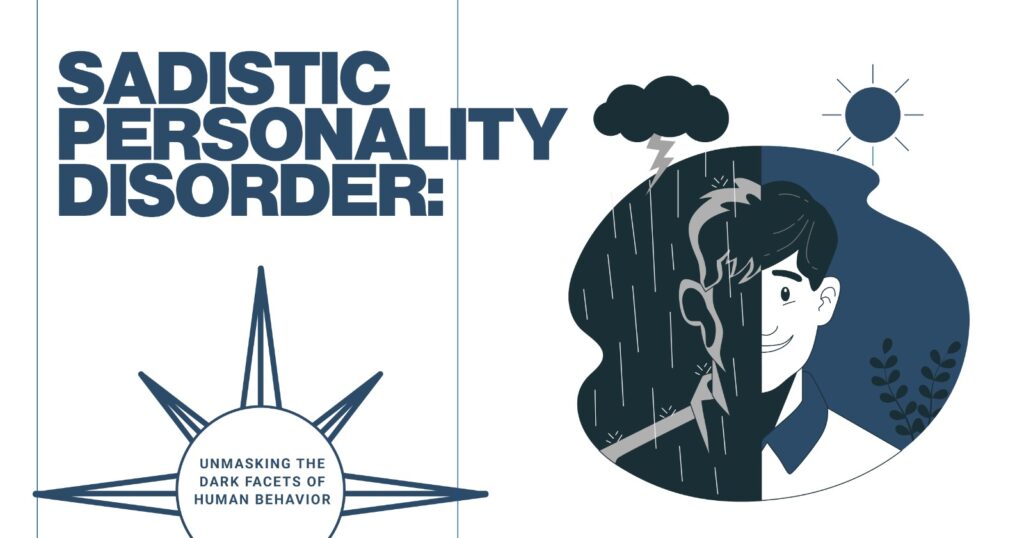
Human behavior is multifaceted, multidimensional, and very unpredictable. One of its dark aspects is Sadistic Personality Disorder (SPD) – a mental disorder in which people find pleasure in causing emotional or physical suffering to other people.
Although the idea might seem drastic, its covert undertones can infiltrate emotional relationships, especially during the seven stages of emotional affairs. As the game of attraction, flirting, secrecy, and emotional bondage becomes out of control or manipulative, the similarities between sadistic inclination and emotional involvement are fully brought into focus.
Understanding the Dynamics of Emotional Affairs
Emotional affairs usually start innocently as two people bound on a common ground of experience or an emotional void that is not filled in the principal relationship. But this is not accurate as the intimacy increases, and boundaries are obscured. These relationships take a mental course referred to as the seven stages of emotional affairs that mostly include attraction, flirting, secrecy, profound emotional bond, neglect, fantasies, and finally, betrayal.
In men and women with sadistic characteristics, emotional relationships may turn into a field of domination as opposed to intimacy. They can play with emotional closeness, which creates dependence, and withdraw affection subtly.
Psychology Today argues that people who possess these characteristics tend to exhibit a hidden dominance desire that is disguised through the use of charm or compassion, which involves the manipulation of emotions.
The Allure of Attraction and Flirting in Emotional Affairs
Emotional entanglement is predetermined by the first two phases, attraction and flirting. The experiences may be exhilarating, in particular when the experiences are used as replacements for relational dissatisfaction.
Flirting is a stimulant and a challenge to feelings. It can be harmless in being healthy. But at the emotionally volatile or manipulative places, it acts as a preliminary move in a very dangerous game of emotional chess.

The use of attraction as a tool of psychological control by a sadistic personality can be seen. They want the pleasure they desire and nourish their ego with the love of others. Such a tendency contributes to a circle of temptation and emotional dependence, which brings disorientation and increases emotional susceptibility.
As time goes by, what started as a playful attraction turns into a relationship that is emotionally consuming and stretches the moral and relational limits of a person. For more insights into the psychology of attraction, visit the American Psychological Association.
Secrecy and Emotional Connection: The Hidden Layers
Secrecy is the most identifying characteristic of emotional affairs. When communication is covert, the relationship becomes a gray area. This is the place where emotional intimacy usually thrives under the veil of denial, guilt, and emotional rationalization.
These individuals excel in shady emotional areas where manipulation is not accountable. By this secrecy, they create an impression of closeness and make their partner think that their union is something special and is not understood by the world. The intensity of the emotion produced here may rival the physical intimacy, and the connection may very well be difficult to dissolve.
The feeling in such cases is intoxicating and dangerous. It appeals to the unfulfilled emotional needs of both the participants and increases a circle of dependency. To one, it is validation; to the other, it is validation of control, a dynamic of a weirdly sadistic spectrum.
Neglect and Fantasy: How They Fuel Emotional Affairs
The more secrecy builds, the more emotional neglect grows in the primary relationship. The energy that is used in emotions given to the partner is now channeled to the affair. Such a lack usually gives rise to a fantasy, the dream of the new relationship.
The table below shows the interactions of neglect and fantasy in emotional affairs and sadistic traits:
| Aspect | Emotional Affair | Sadistic Personality Dynamics |
| Emotional Availability | Withheld from the primary partner | Withheld to assert control |
| Fantasy | Idealizes emotional connection | Idealizes power and dominance |
| Motivation | Seeking emotional fulfillment | Seeking psychological gratification |
| Consequence | Emotional detachment from partner | Emotional manipulation of others |
Emotional affairs are united by fantasy. However, when it comes to sadistic persons, the fantasy can be domination, whether emotional or not. The same thing that is seen by one of the partners as a passionate escape may be seen by the other one as emotional conquest.
The Role of Intimacy and Betrayal in Emotional Affairs
The emotional affairs are cemented in intimacy. It is no longer about physical distance but about mutual secrets, weaknesses, and emotional attachment. But betrayal is bound to come with intimacy in a committed relationship.
This stage can be twisted by sadistic qualities. These people may establish illusory intimacy to control their partner’s emotions. By luring their partner into a deeper relationship and then taking away the affection as a form of punishment.
The deception in this case is more than within the relationship of the committed one; it is during the emotional affair. This relationship of intimacy and deception constantly creates emotional wounds on both sides that are difficult to overcome and make one feel guilty and vulnerable.
Trust Issues and Communication Breakdown
The repercussions of emotional affairs are certainly trust and communication failure, both in the main relationship and in the affair. As soon as secrets and betrayal are revealed, emotional balance is disrupted. The formerly open conversations have layers of defensiveness and insecurity.
This messiness is a means to an end for sadistic characters. The emotional dizziness gives them the satisfaction of control, since they derive satisfaction from the emotional insecurity of others. Victims of these dynamics usually have problems with regaining trust, as they are afraid to be manipulated and cause more emotional harm.
The reduction in communication turns not only into a symptom, but into a permanent outcome, which impedes the recovery process unless it is mitigated with the help of a professional and systematic therapy.
The Impact of Guilt and Vulnerability
After the delusion of emotional attachment is broken, guilt becomes a prevailing feeling. The participants struggle with the fact that they have crossed boundaries, and the lack of strength exposes them to increased emotional damage. This is where the intervention of professionals becomes a very important element.
Guilt may then result in self-punishment or withdrawal of emotions when it is not managed in a healthy way. The vulnerability, however, creates an opportunity for self-knowledge and development.
The advantages of identifying the manipulative patterns, in particular, those that are close to sadistic behavior, can assist the individual in restoring emotional balance and self-esteem. CBT and Dialectical Behavior Therapy (DBT) are therapeutic methods that can assist people in reinstating emotional boundaries and self-trust.
Addressing Loneliness and Setting Boundaries
The core of most emotional affairs is loneliness, which is the unspoken emptiness that motivates people to find some other relationship. Handling the issue of loneliness involves having to deal with unfulfilled emotional needs that are either self-based or relationship-centered.
To avoid emotional entrapment, the following measures will help:
- Get back to your partner by honoring the truth.
- Early identification and solving unmet emotional needs.
- Create boundaries and known triggers of temptation.
- Perform self-reflection as opposed to external validation.
- Find counseling in order to develop emotional strength.
Creating boundaries is not connected with deprivation but with protection. Boundaries bring about emotional sanity, less temptation, and build relationship integrity. To the individuals who find it difficult to establish or keep them, mental health experts at Pacific Coast Mental Health can offer systematic advice and care.
Rebuild Trust and Healing with Pacific Coast Mental Health
It takes guts, time, and professional help to get over this emotional betrayal or manipulative relationship patterns. Our clinicians at Pacific Coast Mental Health are aware of how difficult and thorny the issue of trust is, the emotional bond, and the torment of betrayal.
Our work is focused on evidence-based treatment, such as CBT, DBT, and mindfulness interventions, that are aimed at assisting a person in restoring trust in him/herself and finding a way back to emotions.
It is not a route you are compelled to tread all by yourself. You can get compassionate assistance whether you are recovering from emotional neglect, struggling with guilt, or addressing the patterns that could be associated with sadistic behavior. Take the step today, and start your journey toward relational healing and emotional recovery by visiting Pacific Coast Mental Health.

FAQ’s
1. How do attraction and flirting contribute to the development of emotional affairs?
Emotional affairs can oftentimes be initiated by attraction and flirting. They generate energy and emotional confirmation, which might be lacking in the current relationships, and the demarcation between friendly and intimate communication is lost.
2. What role do secrecy and emotional connection play in the complexity of emotional affairs?
Emotional affairs can oftentimes be initiated by attraction and flirting. They generate energy and emotional confirmation, which might be lacking in the current relationships, and the demarcation between friendly and intimate communication is lost.
3. How do neglect and fantasy act as catalysts for emotional affairs?
In case emotional neglect was made in a key relationship, people can resort to fantasy as a way out. This perceived relationship provides a temporary satisfaction, but mostly causes more emotional dissociation.
4. In what ways do intimacy and betrayal intersect within emotional affairs?
The very intimacy that helps in the emotional affair grows as a result of the vulnerability that they share together, which turns out to be the basis of betrayal, hurting trust, and emotional security in both relationships.
5. How can trust issues and communication breakdowns exacerbate the challenges of emotional affairs?
When the problem of trust arises, it is hard to talk openly. Such a break in communication will enhance misunderstanding, extend the emotional distance, and complicate the recovery.