


If you’re asking, “Can depression be cured?” you’re not alone. This question reflects both hope and uncertainty — hope that relief is possible, and uncertainty about the path ahead. What does depression recovery look like? That answer varies, but understanding the journey helps you take the first step toward feeling like yourself again.
Depression affects millions of adults in the United States each year, and the path to recovery varies from person to person. With the right combination of treatment, support, and time, most individuals experience significant improvement and return to enjoying life. This article explores what the science says about recovery, what treatment options work best, and how to begin your own journey toward wellness.

Depression Remission vs Cure: What the Science Actually Shows
The medical community uses the term “remission” rather than “cure” when discussing depression outcomes, and this distinction matters. Depression remission vs cure reflects an important clinical reality: remission means symptoms have reduced to minimal or absent levels for at least two months, while a cure would imply the condition is permanently eradicated with no possibility of return.
Research consistently shows that most people achieve remission with appropriate treatment — typically between 60 and 70 percent in clinical studies. This means the majority of individuals who engage with evidence-based care experience substantial relief and return to their baseline functioning. The concept of remission acknowledges that depression, like many chronic health conditions, may require ongoing attention even after symptoms resolve.
| Treatment Approach | Remission Rate | Typical Timeline |
|---|---|---|
| Therapy alone (mild to moderate) | 50 to 65 percent | 3 to 6 months |
| Medication alone | 50 to 60 percent | 6 to 8 weeks for initial response |
| Combined therapy and medication | 70 to 80 percent | 3 to 6 months |
| Intensive outpatient programs | 65 to 75 percent | 4 to 12 weeks |
These rates reflect findings from multiple clinical trials, though individual outcomes vary based on symptom severity and treatment adherence.
How Different Treatment Approaches Lead to Recovery
When people ask “can depression be cured with therapy alone?” they’re often weighing whether medication is necessary. Understanding whether depression can be cured through therapy alone helps you make informed decisions about your treatment path. For many people, therapy addresses the thought patterns, behaviors, and emotional responses that fuel depressive symptoms. Cognitive Behavioral Therapy has demonstrated particularly strong depression treatment success rates, helping individuals identify and change negative thinking patterns that perpetuate low mood. Other effective approaches include Interpersonal Therapy, which focuses on relationship patterns, and Dialectical Behavior Therapy, which teaches emotional regulation skills.
Moderate to severe depression often responds best to combined therapy and medication, which substantially increases remission rates compared to either approach alone.
Lifestyle modifications form the third pillar of effective treatment. These modifications work synergistically with clinical care to support brain health and emotional resilience.
- Cognitive Behavioral Therapy targets negative thought patterns and has demonstrated strong remission rates for mild to moderate cases, with benefits often maintained long after treatment ends.
- Selective Serotonin Reuptake Inhibitors and Serotonin-Norepinephrine Reuptake Inhibitors are first-line medications that help many people achieve significant symptom reduction within two months.
- Regular aerobic exercise — 30 minutes most days — produces meaningful mood improvements for mild to moderate symptoms, with effects that can rival medication in some cases.
- Sleep hygiene improvements address the bidirectional relationship between depression and sleep disturbances.
- Mindfulness-based interventions reduce rumination and increase present-moment awareness, helping many people with recurrent episodes avoid relapse.
- Emerging treatments like Transcranial Magnetic Stimulation and ketamine therapy offer hope when standard approaches prove insufficient.
What Depression Recovery Actually Looks Like: Month-by-Month Expectations
How long does it take to recover from depression? Most people notice initial improvements within the first month to six weeks of starting treatment, with significant recovery occurring over several months. Understanding whether depression can be cured or managed long-term becomes clearer as you move through these stages.
Weeks 5 Through 12: Emerging Improvements
You may start having occasional good days mixed with difficult ones, and the question “Can depression be cured?” starts feeling less abstract as you experience real relief. Energy levels often improve before mood does, which represents real progress. Concentration may sharpen, making work or daily tasks slightly easier. Some people experience setbacks during this period — a bad week doesn’t erase progress, and discussing these challenges with your treatment team helps adjust your approach as needed.
Months 4 Through 6: Consolidating Gains
By this stage, good days outnumber bad ones for most people. You’re likely rediscovering pleasure in activities that felt meaningless months ago. Relationships improve as you have more emotional energy to invest in others. Many people at this stage revisit the question of whether depression can be cured and realize that sustained wellness is within reach. The cognitive fog lifts, and decision-making becomes less overwhelming. This is when many people feel tempted to stop treatment because they feel “better enough.”
| Recovery Stage | Common Experiences |
|---|---|
| Initial Response (4-6 weeks) | Slight improvements in sleep, appetite, or energy; mood may lag behind physical changes |
| Partial Remission (2-4 months) | More good days than bad; renewed interest in some activities; improved concentration |
| Full Remission (4-6 months) | Consistent mood stability; pleasure in activities; effective stress management; normal functioning |
| Maintenance Phase (6+ months) | Sustained wellness; focus shifts to relapse prevention and long-term coping strategies |
Managing Depression Long Term: Sustaining Your Recovery
After achieving remission, many people revisit the question “Can depression be cured permanently?” — and the answer is that sustained wellness is absolutely achievable with the right maintenance approach. Managing depression long-term involves recognizing that recovery isn’t a destination but an ongoing process. Many people benefit from maintenance therapy after remission — less frequent sessions that help you navigate life stressors and catch early warning signs of relapse. Some individuals continue medication long-term, particularly if they’ve experienced multiple episodes.
Lifestyle habits that supported your initial recovery become even more important for maintenance. Regular exercise, consistent sleep schedules, meaningful social connections, and stress management techniques all contribute to sustained wellness.
When Standard Treatment Isn’t Enough
A significant minority of people don’t achieve adequate relief from first-line treatments. For these individuals, the question “can depression be cured?” requires exploring specialized interventions beyond first-line treatments. If you’ve tried at least two different antidepressants without significant improvement, you may be experiencing treatment-resistant depression
When standard treatments haven’t worked, options include switching to different medication classes, such as tricyclic antidepressants or monoamine oxidase inhibitors, which work through different mechanisms than newer drugs. Augmentation strategies — adding a second medication to boost the first — often prove effective. Atypical antipsychotics or thyroid hormone supplementation can enhance antidepressant response even when used at low doses.
Emerging treatments offer additional hope. Transcranial Magnetic Stimulation uses magnetic pulses to stimulate specific brain regions involved in mood regulation, with meaningful remission rates in treatment-resistant cases. Ketamine therapy, administered in controlled medical settings, can produce rapid improvements in severe cases.
Intensive outpatient programs provide structured, comprehensive care for people who need more support than weekly therapy offers but don’t require inpatient hospitalization. These programs typically involve several hours of treatment per day, multiple days per week.
If you or someone you know is in crisis, call or text 988 to reach the Suicide & Crisis Lifeline, available 24/7.

Charting Your Course to Calmer Waters at Pacific Coast Mental Health
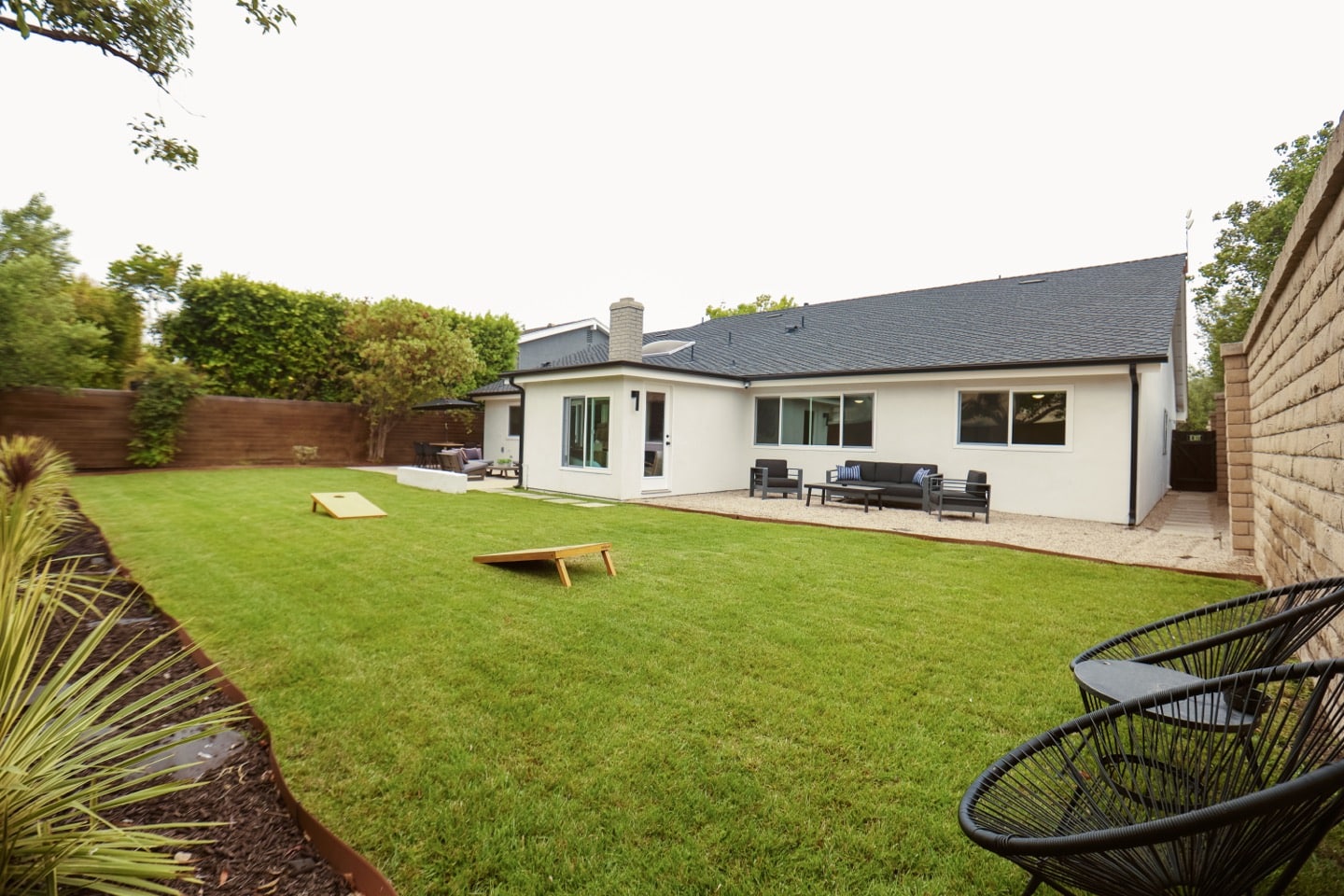
If you’re wondering whether depression can be cured, the evidence is clear: recovery is not only possible but probable with the right support and treatment approach. At Pacific Coast Mental Health, we understand that each person’s path to wellness is unique, which is why we offer personalized assessment and integrated treatment planning tailored to your specific needs. Our California coastal location provides a healing environment where clinical expertise meets natural tranquility, supporting your recovery on every level.
Our team works with you to navigate insurance coverage, answer questions about treatment options, and develop a comprehensive plan that addresses both immediate symptoms and long-term wellness. Recovery begins with a single decision to reach out. Contact Pacific Coast Mental Health today to schedule your confidential assessment and take the first step toward the life you deserve.
FAQs
Here are answers to the most common questions about depression recovery, treatment timelines, and what remission really means.
1. Can you fully recover from depression?
Yes, research shows that most people — typically between 60 and 70 percent — achieve full remission with appropriate treatment. Full recovery means returning to your baseline functioning, enjoying activities again, and managing normal life stressors without overwhelming despair. Some people experience a single episode and never face depression again, while others benefit from ongoing maintenance strategies to prevent recurrence.
2. How long does it take to recover from depression?
Most people notice initial improvement within the first month to six weeks of starting treatment, with significant recovery occurring over several months. Complete remission typically takes six to 12 months with consistent engagement in therapy, medication, or combined approaches. Timelines vary based on depression severity, treatment type, and individual response, so patience with the process is important.
3. Is depression curable with therapy alone?
Therapy alone can effectively treat mild to moderate depression, with roughly half to two-thirds of people achieving remission through approaches like Cognitive Behavioral Therapy. Moderate to severe depression often responds best to combined therapy and medication, which substantially increases remission rates. Your treatment team can help determine which approach best fits your specific situation.
4. What is treatment-resistant depression and what are the options?
Treatment-resistant depression means symptoms persist after trying at least two different antidepressant medications at adequate doses and duration. Treatment-resistant depression options include switching medication classes, adding augmentation strategies, trying specialized therapies like Transcranial Magnetic Stimulation or ketamine treatment, or participating in intensive outpatient programs. Many people who don’t respond to initial treatments find relief through these advanced approaches.
5. What does depression remission mean and how is it different from being cured?
Remission means your symptoms have reduced to minimal or absent levels for at least two months, allowing you to function normally and enjoy life again. Unlike “cured,” remission acknowledges that depression can recur, so ongoing monitoring and maintenance strategies help sustain your recovery long-term.