
 Skip to content
 Welcome to Pacific Coast Mental Health
Healing from an eating disorder is possible, and it can begin today. Pacific Coast Mental Health provides specialized, recovery-focused care for adults throughout Costa Mesa and the surrounding Orange County communities.
Eating disorders are treatable conditions, and reaching out is a sign of strength rather than weakness. Whatever you are facing, you don’t have to face it alone – our team offers confidential support 24/7, and same-day admissions are frequently available when you’re ready to begin.
Healing from an eating disorder is possible, and it can begin today. Pacific Coast Mental Health provides specialized, recovery-focused care for adults throughout Costa Mesa and the surrounding Orange County communities. Eating disorders are treatable conditions, and reaching out is a sign of strength rather than weakness. Whatever you are facing, you don’t have to face it alone – our team offers confidential support 24/7, and same-day admissions are frequently available when you’re ready to begin.

Raleigh Souther
Dr Alejandro Alva


An eating disorder is a serious mental health condition that shapes how a person relates to food, to their own body, and to the people around them. It is never simply a matter of willpower or choice. Instead, these conditions grow out of a blend of biological, psychological, and social influences, and they can affect anyone regardless of background or circumstance.
Left unaddressed, an eating disorder can take a quiet but heavy toll on emotional and physical health. The encouraging news is that recovery is well within reach. With specialized treatment and the right support, people experiencing an eating disorder can rebuild a peaceful relationship with food and rediscover a life that feels whole again.
An eating disorder is a serious mental health condition that shapes how a person relates to food, to their own body, and to the people around them. It is never simply a matter of willpower or choice. Instead, these conditions grow out of a blend of biological, psychological, and social influences, and they can affect anyone regardless of background or circumstance.
Left unaddressed, an eating disorder can take a quiet but heavy toll on emotional and physical health. The encouraging news is that recovery is well within reach. With specialized treatment and the right support, people experiencing an eating disorder can rebuild a peaceful relationship with food and rediscover a life that feels whole again.
Eating disorders appear in several distinct forms, and two people with the same diagnosis may experience it in very different ways. At Pacific Coast Mental Health, we care for adults living with the full range of recognized conditions.
This condition centers on an intense, often consuming fear tied to eating, alongside a deeply painful relationship with food and self-worth that can feel impossible to quiet without support.
People with bulimia nervosa often move through a distressing emotional cycle marked by a sense of losing control around food, followed by turmoil and harsh self-criticism.
Recurring episodes of eating that feel beyond one’s control define this disorder, and they are frequently accompanied by feelings of shame and a tendency toward secrecy.
Here, the range of foods a person feels able to eat becomes narrowed, usually because of sensory sensitivity, anxiety, or a diminished interest in food rather than concerns about body image.
Some serious patterns don’t fit neatly into a single category, yet they cause genuine distress and deserve exactly the same depth of compassionate, professional care.
This condition centers on an intense, often consuming fear tied to eating, alongside a deeply painful relationship with food and self-worth that can feel impossible to quiet without support.
People with bulimia nervosa often move through a distressing emotional cycle marked by a sense of losing control around food, followed by turmoil and harsh self-criticism.
Recurring episodes of eating that feel beyond one's control define this disorder, and they are frequently accompanied by feelings of shame and a tendency toward secrecy.
Here, the range of foods a person feels able to eat becomes narrowed, usually because of sensory sensitivity, anxiety, or a diminished interest in food rather than concerns about body image.
Some serious patterns don't fit neatly into a single category, yet they cause genuine distress and deserve exactly the same depth of compassionate, professional care.
Because no two recovery journeys are identical, we never treat them as if they were. Care here follows a clear path – from first contact through stabilization and into lasting wellness – while remaining flexible enough to adapt to your circumstances.
Every plan begins with understanding. A thorough clinical and psychiatric evaluation gives our team a complete picture of your history, your health, and the experiences shaping your relationship with food.
Because eating disorders affect the body as well as the mind, our medical and psychiatric staff monitor wellbeing closely and coordinate any necessary care as one integrated part of the plan.
Lasting change reaches past symptoms, so our holistic approach tends to the emotional, physical, and social dimensions of your life all at once.
For those who need a higher level of care, our residential treatment offers a 24/7 stabilization environment where structure and calm make recovery feel possible. The setting is warm, unhurried, and pet-friendly, because a familiar companion can bring comfort on the hardest days.
Every plan begins with understanding. A thorough clinical and psychiatric evaluation gives our team a complete picture of your history, your health, and the experiences shaping your relationship with food.
From there, our clinicians shape individualized treatment around your specific needs and goals, adjusting personalized treatment options as you grow stronger so the plan always fits where you are.
Sessions draw on established, research-backed methods, including cognitive behavioral therapy, dialectical behavioral therapy, trauma therapy, and family group therapythat welcomes loved ones into the healing process.
Because eating disorders affect the body as well as the mind, our medical and psychiatric staff monitor wellbeing closely and coordinate any necessary care as one integrated part of the plan.
Lasting change reaches past symptoms, so our holistic approach tends to the emotional, physical, and social dimensions of your life all at once.
For those who need a higher level of care, our residential treatment offers a 24/7 stabilization environment where structure and calm make recovery feel possible. The setting is warm, unhurried, and pet-friendly, because a familiar companion can bring comfort on the hardest days.
The signs of an eating disorder can vary widely from one person to the next, and they often surface quietly. Even so, there are common emotional and behavioral patterns that may point to a deeper struggle. Noticing them is a reason to reach out, not a cause for alarm. These can include:
Persistent, intrusive thoughts about eating or self-image that begin to crowd out other parts of life.
Strong feelings of anxiety, guilt, or shame that consistently surface in connection with meals.
Eating that feels either out of one’s control or governed by strict, distressing rules.
And More
Pulling away from shared meals, gatherings, or friendships that once felt comfortable.
Increased irritability, anxiety, or low mood that often travels alongside the struggle.
A growing tendency to keep feelings and experiences around food private.
Trouble focusing or making decisions as the disorder takes up more mental space.
Harsh self-criticism or self-esteem that feels tied to eating or appearance.
An ongoing sense of tiredness or feeling drained that can accompany an eating disorder.
Treatment reaches well beyond food itself. It gives people the tools, insight, and steadiness to reclaim a life that feels like their own again. Those who complete care with us often notice changes that ripple across every part of daily living.
As the constant mental noise begins to quiet, distressing thoughts loosen their grip and make space for a calmer, more hopeful inner life.
Recovery helps replace fear and rigidity with ease, so that eating can return to being a source of nourishment rather than anxiety.
When shame and secrecy fade, the bonds with family and friends have room to heal, deepen, and grow more honest.
With the disorder no longer dominating their attention, many people find that work, study, and everyday goals feel reachable once more.
As self-criticism softens, people often rediscover a sense of self-worth that has nothing to do with food and everything to do with who they are.
Therapy builds practical, durable strategies for navigating stress and difficult emotions long after structured treatment ends.
Freed from a condition that once shaped every day, many people reconnect with hobbies, plans, and relationships that bring genuine meaning.
Perhaps most importantly, recovery restores a real sense of possibility – and the confidence to move toward it.
You don’t have to wait for things to feel worse, and you don’t have to sort this out on your own. Share your contact details or call us directly, and a caring treatment coordinator will reach out to help you find the program that fits your situation. Our line is open around the clock at (949) 617-0459, and you can also request a free, no-pressure consultation through our Contact Us page. With 24/7 availability and same-day admissions often open, support is closer than it may feel right now.
Our programs rest on methods proven to work, kept current with evidence-based clinical research so the care you receive genuinely earns its place in your recovery.
People arrive carrying enough already. Here, every person is met with discretion and warmth, and their privacy is safeguarded at each step of the journey.
Rather than treating symptoms in isolation, our holistic approach considers the whole person - emotional, physical, and social wellbeing together - to support recovery that lasts.
Eating disorders rarely travel alone, so we treat co-occurring conditions such as anxiety and depression, along with the effects of trauma through trauma-informed care, within one connected plan. We also accept many major insurance plans to keep care within reach.
Psychiatrists, therapists, nurses, and support staff work together as one group. You can meet our team and tour our facility before you ever step through the door.
Each person's path is different, which is why care is tailored from the very first conversation and reshaped as recovery progresses - never one-size-fits-all.
Our programs rest on methods proven to work, kept current with evidence-based clinical research so the care you receive genuinely earns its place in your recovery.
People arrive carrying enough already. Here, every person is met with discretion and warmth, and their privacy is safeguarded at each step of the journey.
Rather than treating symptoms in isolation, our holistic approach considers the whole person - emotional, physical, and social wellbeing together - to support recovery that lasts.
Eating disorders rarely travel alone, so we treat co-occurring conditions such as anxiety and depression, along with the effects of trauma through trauma-informed care, within one connected plan. We also accept many major insurance plans to keep care within reach.
Psychiatrists, therapists, nurses, and support staff work together as one group. You can meet our team and tour our facility before you ever step through the door.
Each person's path is different, which is why care is tailored from the very first conversation and reshaped as recovery progresses - never one-size-fits-all.
Recovery starts with a single step, and you don’t have to take it alone. If you’re ready to explore treatment or simply have questions, our Costa Mesa team is here to help – with confidential guidance available 24/7 and same-day admissions often open. Reach out through our Contact Us page, and when you’re ready, verify your insurance in just a few confidential minutes so cost never stands in the way of healing.
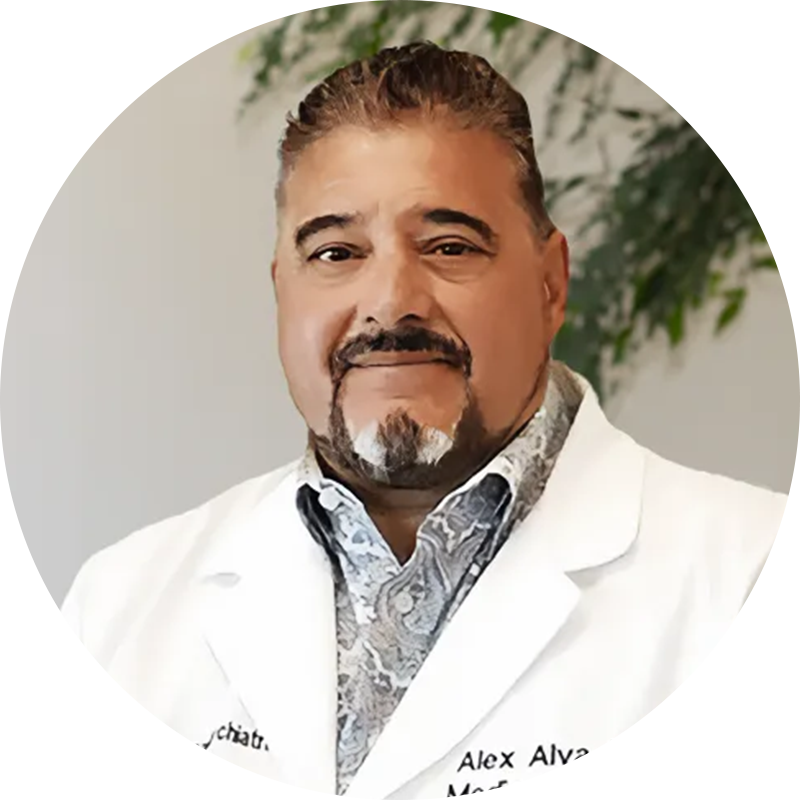
Alejandro Alva, M.D., is the founder, Chief Medical Officer, Chief Executive Officer, and Medical Director of Alejandro Alva MD, Inc. (AAMD, Inc.) and Pacific Neuropsychiatric Specialists (PNS); a single-specialty psychiatric medical group with a team of medical providers who focus not only on psychiatric disorders but also on dual diagnosis conditions which include substance use disorders. Read More
Looking for compassionate mental health care in Southern California? Pacific Coast Mental Health offers expert therapy and residential treatment in a supportive, healing environment – find us on the map below and start your journey today.