Skip to content





Every thought, emotion, and behavior originates from billions of neurons exchanging information across your brain. These specialized cells form intricate networks that control everything from breathing to complex decision-making. Understanding the mechanics of brain function reveals not only the neural communication process but also why mental health conditions emerge when these communication pathways break down. When neural signaling falters, symptoms like persistent sadness, overwhelming anxiety, or difficulty concentrating often follow.
Mental health treatment works because it targets the specific mechanisms that neurons use to send and receive information. Whether through medication that adjusts chemical messenger levels or therapy that reshapes neural pathways, evidence-based interventions restore healthy communication patterns at the cellular level. This article explains how neurons communicate, identifies what disrupts it, and shows how treatment helps your brain function optimally again.
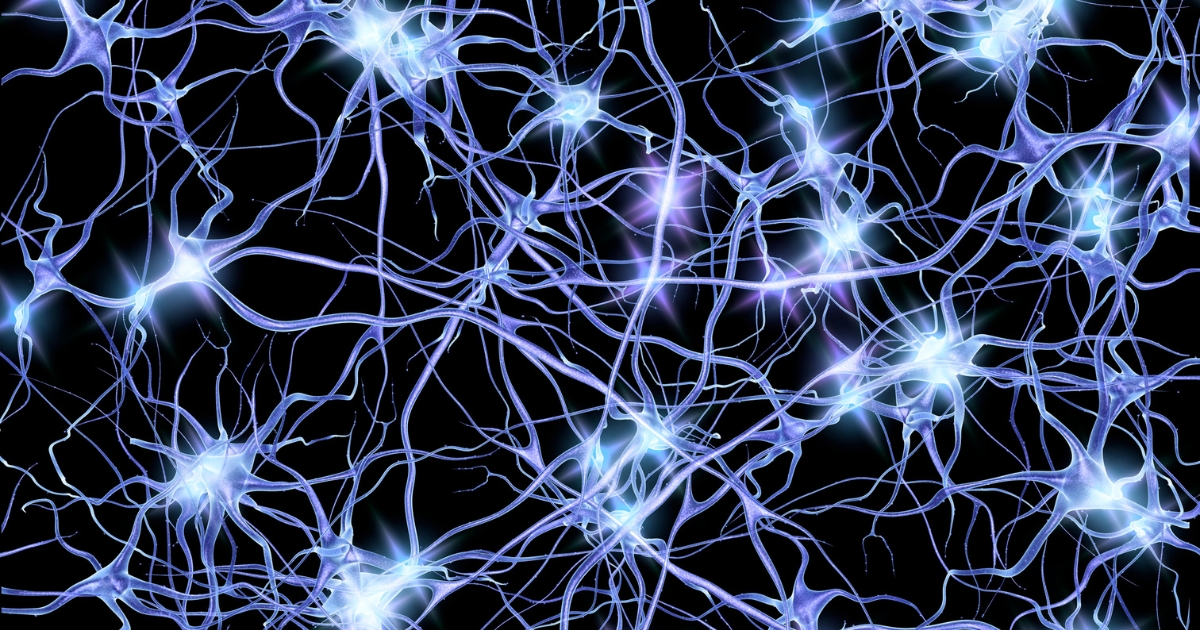
The Neural Communication Process: Electrical and Chemical Signals Working Together
Neurons transmit information through a two-stage process combining electrical impulses within the cell and chemical signals between cells. When a neuron receives sufficient stimulation, it generates an action potential in simple terms—a rapid electrical charge that travels down the cell’s axon. How do neurons communicate at this speed? The action potential travels at up to 120 meters per second in some neurons, enabling near-instantaneous coordination across your entire nervous system.
The electrical signals between neurons cannot jump directly from one cell to another because a microscopic gap called the synaptic cleft separates them. When the action potential reaches the axon terminal, it triggers the release of chemical messengers in the brain stored in tiny vesicles. These neurotransmitters flood the synaptic gap and bind to receptor sites on the receiving neuron, converting the electrical signal back into a chemical message that either excites or inhibits the next cell in the network.
This synaptic transmission explained reveals why brain function depends on both speed and precision. The electrical component ensures rapid signal propagation within neurons, while the chemical component allows for fine-tuned control between neurons. A single neuron may form thousands of synaptic connections, creating vast networks of coordinated activity. Why do brain cells send signals in this complex manner? The answer lies in the need for both rapid response and precise control—your brain must coordinate billions of neurons to produce coherent thoughts, movements, and emotional responses.
| Communication Stage | Signal Type | Primary Function |
|---|---|---|
| Within the neuron | Electrical (action potential) | Rapid signal transmission along an axon |
| Across the synapse | Chemical (neurotransmitters) | Controlled signal transfer between cells |
| At the receptor site | Chemical binding | Excitation or inhibition of the receiving neuron |
| Post-transmission | Reuptake or breakdown | Signal termination and neurotransmitter recycling |
What Are Neurotransmitters and How Chemical Messengers Control Brain Function
What are neurotransmitters? They are specialized molecules that carry messages between neurons, each type influencing specific aspects of mental and physical function. Your brain produces dozens of these chemical messengers, but several play outsized roles in mental health. Serotonin regulates mood stability, sleep quality, and appetite—low levels correlate strongly with depression and anxiety disorders. Dopamine drives motivation, pleasure, and reward-seeking behavior, making it central to addiction and attention disorders. GABA acts as the brain’s primary inhibitory neurotransmitter, calming neural activity and reducing anxiety when present in adequate amounts.
Glutamate serves as the main excitatory neurotransmitter, essential for learning and memory, but potentially harmful in excess. Norepinephrine heightens alertness and arousal, preparing your body for action during stress.
- Serotonin deficiency links to persistent low mood, sleep disturbances, and heightened anxiety—symptoms commonly seen in major depressive disorder and generalized anxiety disorder.
- Dopamine dysregulation appears in conditions ranging from addiction to ADHD to schizophrenia.
- GABA insufficiency leaves the brain in a state of hyperarousal, contributing to panic attacks, insomnia, and chronic tension that characterizes many anxiety disorders.
- Glutamate excess can damage neurons through excitotoxicity, a process implicated in trauma-related disorders and some neurodegenerative conditions.
- Norepinephrine imbalances affect both mood and physical symptoms—too little contributes to fatigue and poor concentration, while too much drives the racing heart and restlessness of acute anxiety.
The Reuptake Process: How Neurons Recycle Chemical Messengers
After neurotransmitters bind to receptors and deliver their message, neurons must clear them from the synaptic cleft to prevent continuous stimulation. The neuron firing mechanism includes a reuptake process where transporter proteins pull chemical messengers back into the sending neuron for recycling. How do neurons communicate through reuptake? Understanding this helps explain why antidepressants take several weeks to work—the brain needs time to adjust receptor sensitivity and restore balanced signaling patterns.
When Neural Communication Breaks Down: How Mental Health Conditions Disrupt Brain Signals
Mental health conditions often reflect specific disruptions in how neurons exchange information. Depression frequently involves reduced serotonin and norepinephrine activity, creating the biological foundation for persistent sadness, fatigue, and loss of interest in previously enjoyable activities. Anxiety disorders show patterns of hyperactive neural circuits, where neurons fire too readily in response to perceived threats. PTSD alters the balance between excitatory and inhibitory signaling in regions that process fear and memory, leaving individuals stuck in high-alert states long after danger has passed.
Chronic stress physically remodels synaptic connections. Prolonged cortisol elevation shrinks dendrites—the branching structures that receive signals—in the hippocampus and prefrontal cortex while strengthening connections in the amygdala. This rewiring makes the brain more reactive to threats and less capable of rational evaluation or emotional regulation. Trauma creates similar changes, explaining why a single overwhelming event can trigger lasting symptoms. Substance use hijacks dopamine pathways, artificially flooding synapses with reward signals that train the brain to prioritize drug-seeking over natural rewards like food, relationships, or accomplishment.
How Treatment Restores Healthy Signaling
Evidence-based interventions target the specific mechanisms that have gone awry. Selective serotonin reuptake inhibitors (SSRIs) block the transporter proteins that pull serotonin back into neurons, increasing the chemical messenger’s availability in synapses. Benzodiazepines enhance GABA receptor sensitivity, amplifying the brain’s natural calming signals. Mood stabilizers modulate ion channels that control the action potential, preventing the extreme swings in neural excitability seen in bipolar disorder.
Psychotherapy produces measurable changes in brain communication patterns without medication. Cognitive behavioral therapy strengthens connections in the prefrontal cortex, enhancing top-down control over emotional responses generated in the amygdala. These interventions demonstrate how neurons communicate in response to environmental input—the brain remains plastic throughout life, capable of forming new connections and modifying existing ones. Exposure therapy for PTSD gradually reduces hyperactive fear circuits by repeatedly activating them in safe contexts, allowing the brain to update its threat assessments. Mindfulness practices increase activity in regions that regulate attention and decrease reactivity in stress-response networks.
| Mental Health Condition | Primary Neural Disruption | Treatment Target |
|---|---|---|
| Major depression | Reduced serotonin and norepinephrine signaling | Increase neurotransmitter availability via reuptake inhibition |
| Generalized anxiety disorder | Insufficient GABA inhibition, overactive glutamate | Enhance inhibitory signaling, reduce neural hyperarousal |
| PTSD | Hyperactive amygdala, weakened prefrontal regulation | Strengthen top-down control, reduce fear circuit reactivity |
| Substance use disorder | Hijacked dopamine reward pathways | Normalize reward signaling, rebuild natural motivation circuits |
| Bipolar disorder | Unstable neural excitability, erratic firing patterns | Stabilize action potential generation, smooth signal transmission |
When symptoms persist despite self-care efforts or interfere with daily functioning, professional support helps restore the neural communication patterns underlying mental health. Treatment doesn’t just manage symptoms—it addresses the biological processes that generate them, creating lasting improvements in how your brain processes information and regulates emotion.

Signal Strength: Restore Healthy Brain Communication at Pacific Coast Mental Health
When you understand the neural communication process and what disrupts it, you’re better equipped to seek targeted treatment when mental health challenges emerge. How do neurons communicate in a healthy brain versus one affected by mental illness? The difference often comes down to neurotransmitter balance, synaptic density, and the strength of connections between specific brain regions. Pacific Coast Mental Health offers comprehensive assessment and evidence-based treatment that addresses neural dysfunction at its source. Our clinical team combines medication management, psychotherapy, and holistic approaches to restore balanced neurotransmitter function and rebuild healthy communication pathways. Whether you’re struggling with depression, anxiety, trauma, or addiction, treatment works by correcting the specific signaling disruptions underlying your symptoms. Contact Pacific Coast Mental Health today to begin restoring the neural communication patterns that support lasting mental wellness.
FAQs
These frequently asked questions address common concerns about neural communication and its role in mental health treatment.
1. How do neurons communicate in simple terms?
Neurons send electrical signals down their length, then release chemical messengers called neurotransmitters into the gap between cells. These chemicals bind to receptors on the next neuron, passing the message forward through brain networks.
2. What role do neurotransmitters play in mental health conditions?
Imbalances in neurotransmitters like serotonin, dopamine, and GABA directly cause symptoms of depression, anxiety, and other mental health conditions. When chemical messenger levels drop or receptors become less sensitive, mood regulation and emotional control suffer accordingly.
3. How do psychiatric medications affect neural communication?
Most psychiatric medications work by adjusting neurotransmitter availability in synapses—either blocking reuptake, enhancing receptor sensitivity, or modulating release. These changes restore more balanced signaling patterns, reducing symptoms as brain communication normalizes over several weeks.
4. Can therapy actually change how neurons communicate?
Yes, psychotherapy produces measurable changes in brain structure and function visible on imaging scans. Cognitive behavioral therapy strengthens prefrontal cortex connections that regulate emotion, while exposure therapy reduces hyperactive fear circuits in conditions like PTSD.
5. What lifestyle factors affect neural communication?
Chronic stress, poor sleep, substance use, and lack of exercise all disrupt neurotransmitter production and synaptic function. Regular physical activity, adequate sleep, stress management, and avoiding drugs and alcohol protect neural communication pathways and support mental health resilience.