Skip to content







Social Anxiety Disorder vs Generalized Anxiety: Which Type Affects You Most
Key Takeaways
- There are different types of anxiety, and social anxiety and generalized anxiety are two of the most common.
- Generalized anxiety is worry about many things at once, while social anxiety is the fear of being judged by others.
- The two share physical symptoms, so they are easy to mix up without a closer look.
- You can have both at the same time, which is more common than people think.
- Both are highly treatable, usually with therapy, medication, or a combination of the two.
Your mind is going a million miles an hour, your chest is tight, and even you don’t know if you’re worrying about everything or you just don’t want to go to that meeting on Friday. There are a variety of anxiety disorders, and not all of them advertise what they are. It just shows up.
It really is important to be able to sort out what kind you are dealing with, as it indicates what will help. This post explains the difference between social anxiety and generalized anxiety in simple terms, so you can recognize which one sounds more like you, and what to do next.
Social Anxiety Disorder vs Generalized Anxiety: Recognizing the Differences
These are two of the different types of anxiety, and the difference is what triggers the fear. According to MedlinePlus, people with generalized anxiety disorder worry about a wide range of things, such as health, finances, or work, almost every day for at least six months. Social anxiety is different. The National Institute of Mental Health describes it as fear in situations where a person may be scrutinized, evaluated, or judged by others.
One throws the wide net over your entire life. The other zeroes in on being observed or judged.
| Generalized anxiety | Social anxiety |
| Anxiety over a large number of things. | A fear of social situations. |
| Triggered by daily life in general. | Activated by judgment, observation. |
| Difficult to turn off, even in isolation. | May become less severe when you are safely alone. |
How Panic Attacks Manifest Differently in Each Condition
In both conditions, panic attacks can occur, which are the sudden onslaught of intense fear and pounding physical symptoms, but for different reasons. The pattern is as follows:
- In social anxiety, panic often strikes in anticipation of or while in a social context, such as giving a presentation.
- In generalized anxiety, it may manifest after a period of chronic worrying.
- Panic attacks can also happen on their own, without either disorder.
- The feeling is the same, but what triggers it is the tell.
Physical Anxiety Symptoms That Set Them Apart
The body responds to both in similar ways. What tells them apart is usually the timing and the circumstances, not the feeling itself:
- Social anxiety symptoms often spike in social moments, such as blushing or a trembling voice when speaking in public, though dread can build for days or weeks beforehand.
- Generalized anxiety symptoms are more persistent, such as constant muscle tension, restlessness, and tiredness.
- Both can cause a racing heart, perspiration, and nausea.
- Often, it is more important to notice when the symptoms appear than the symptoms themselves.
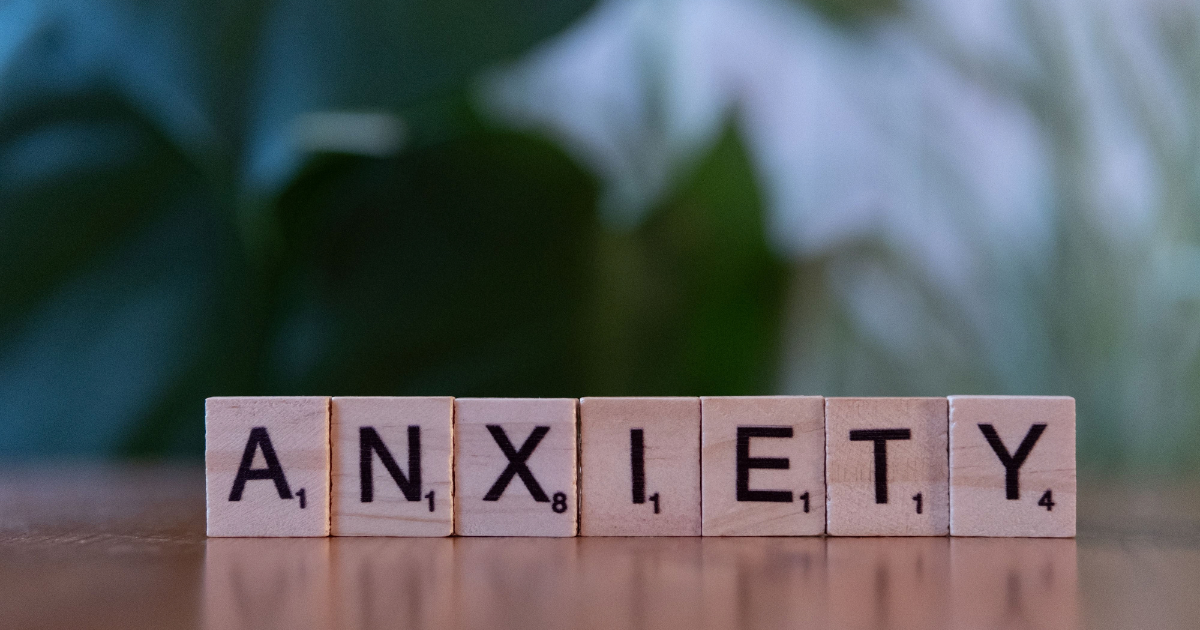
Generalized Anxiety Disorder: When Worry Becomes Constant
GAD (Generalized Anxiety Disorder) is worry on a full-time basis. Rather than centering on one fear, the worry is persistent and excessive, moving from one concern to the next: health, finances, family, and work. To be considered GAD, the worry must happen almost every day for at least six months, and it is typically hard to control. The reason it’s so exhausting is because there’s no one problem to solve and turn off.
The Role of Stress Management in Daily Life
Since GAD is always operating on background stress, it can help to maintain a reduced baseline stress level, which can make a difference in the day to day activities of life in addition to treatment. A few that help:
- Regular exercise that uses up nervous energy and helps calm the mood.
- Steady sleep, since worry gets louder when you’re tired.
- Grounding and breathing exercises to help calm the body now.
- Reducing amounts of caffeine as it can stimulate and exacerbate anxiety.
Social Anxiety Disorder: Fear in Social Settings
Social anxiety disorder is more than just shyness. It is a lasting, intense fear that can lead people to avoid social situations entirely. The idea of presenting work, attending a party and even just voicing their opinion in a meeting can seem like a frightening experience. The fear usually centers on being judged, embarrassed, or rejected, including worry that others will notice your nervousness. That avoidance has the potential to quietly constrict someone’s world over time.
Coping Strategies for Social Situations
Alongside professional treatment, which works across the different types of anxiety, a few simple steps can make social situations more manageable:
- Have some talking points in advance to make it easier.
- Direct your attention outside of yourself to the other person.
- Approach and face fears rather than avoiding them.
- Slow breathing, to calm the physical rush, before entering.
Anxiety Symptoms That Overlap Between Both Types
One of the reasons these types of anxiety can be easily confused is that they have a lot in common. They share the same basis, too much fear, and both trigger the same stress response in the body, and both can lead to a racing heart, a tight chest, sweating, and difficulty concentrating.
Treatment Options for Different Anxiety Disorders
The bright side is that anxiety disorders are very treatable. For social anxiety disorder, the National Institute of Mental Health notes that treatment usually includes psychotherapy, medication, or a combination of the two, depending on the individual’s needs and under the guidance of a healthcare professional. Given that there are several types of anxiety and treatment options that are best for the individual, it’s best to build a plan with a provider, rather than guessing.
Therapeutic Approaches and Medication Management
Typically, treatment utilizes a combination of tried and effective tools, tailored to your needs:
- The most researched treatment technique is cognitive behavioral therapy, which retrains the thoughts fueling the fear.
- Exposure-based techniques, particularly for social anxiety, which build comfort by gradually facing feared situations.
- Strategies that align with lifestyle and stress management.
Finding Relief and Support at Pacific Coast Mental Health
Whether your anxiety is generalized, social, or a combination of both, it’s a very real experience, and it can be treated. Knowing which of the different types of anxiety you’re experiencing isn’t about being labeled; it’s about finding the right help. You don’t have to suffer through it.
Our team at Pacific Coast Mental Health can help you understand the kind of anxiety you’re experiencing and build a treatment plan that fits your life, without judgment.
You do not have to figure out your anxiety alone. Reach out to Pacific Coast Mental Health, and let us help you find the right kind of relief.

FAQs
-
Can panic attack symptoms occur without having a panic disorder diagnosis?
Yes, panic attacks can happen to people who do not have panic disorder at all. They can show up during social anxiety, generalized anxiety, intense stress, or sometimes with no clear pattern. Panic disorder is specifically when the attacks are frequent, unexpected, and paired with ongoing fear of the next one.
-
Why does generalized anxiety disorder cause constant worry about multiple life areas?
GAD involves a nervous system that stays on high alert, scanning for threats even when nothing specific is wrong. Because the anxiety is not tied to one situation, the worry drifts from health to money to family to work. That is why it feels so constant and hard to switch off, unlike a fear focused on one thing.
-
How do social anxiety symptoms differ from nervousness in everyday situations?
Ordinary nervousness is mild, passes quickly, and does not stop you from doing things. Social anxiety is intense, lasting, and strong enough that people often avoid the situations entirely. The key differences are how severe the fear is, how long it lingers, and whether it disrupts your work, relationships, and daily life.
-
Which stress management techniques work best for reducing daily anxiety symptoms?
Regular exercise, steady sleep, and limiting caffeine all lower the baseline stress that fuels anxiety. Breathing exercises and grounding techniques help calm the body in the moment when symptoms spike. These habits work best alongside professional treatment rather than as a replacement for it.
-
Are medication and therapy equally effective for treating different anxiety disorders?
Both are effective, and which is better depends on the person, the type of anxiety, and its severity. Therapy like CBT builds lasting skills, while medication can ease symptoms, and many people do best combining the two. The right mix is a decision to make with a professional rather than a one-size-fits-all answer.
References
- Anxiety, MedlinePlus, National Library of Medicine. https://medlineplus.gov/anxiety.html
- National Institute of Mental Health. (2025). Social anxiety disorder: What you need to know. https://www.nimh.nih.gov/health/publications/social-anxiety-disorder-more-than-just-shyness